(And why it wasn’t a price increase)
We know higher electric bills can be frustrating, especially when they arrive unexpectedly. This winter, many homes across the REC service territory saw bills that were higher than normal, and it’s understandable to ask why.
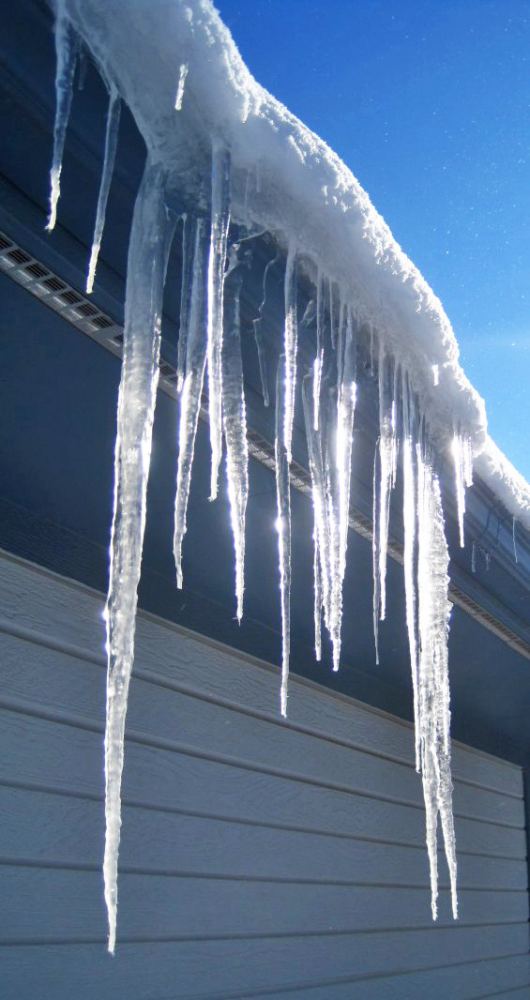
For over two weeks, between January 24 and February 10, our region experienced an extended stretch of extremely cold weather. During that time, heating systems had to work much harder and run much longer to keep homes safe and comfortable.
As a result, many homes used much more electricity than usual during this period. That increase in power usage, not a price increase, is what led to higher bills for many members.
What happens inside your home during extreme cold
Heating systems run much longer. When outdoor temperatures stay very low:
- Heat escapes from homes faster
- Heating systems must run longer to keep up
- In many cases, systems run nearly nonstop
Even if your thermostat settings didn’t change, the cold weather alone made your system work harder for longer periods of time.
Backup heat turns on automatically
In Virginia, nearly all heat pumps use a source of backup electric heat when it gets very cold. This happens because:
- There isn’t enough heat in the outdoor air to pull inside
- The system automatically switches to backup electric heat, often referred to as emergency heat
- Backup heat uses much more electricity
This is normal and expected behavior during extreme cold.
Space heaters add up quickly
Space heaters may feel small, but they use a lot of electricity. Most space heaters:
- Use about 1,500 watts
- Often run for many hours at a time
One space heater can add $5–$10 per day to your bill. Using two or three can increase energy usage very quickly.
“Non-electric” heat still uses electricity
Even if your main heat source isn’t electric, your home still uses electricity to stay warm. This includes:
- Blowers that move warm air
- Fans on wood, pellet or propane systems
- Ignition systems and controls
These systems can reduce electric use, but they don’t eliminate it, especially during long periods of extreme cold.
Cold air gets into homes more easily
During extreme cold:
- Cold air enters through doors, windows, attics and crawlspaces
- Warm air escapes faster
- Heating systems must reheat cold air over and over
This increases both run time and electricity use.
Tools that can help you understand your energy use
If you’re wondering where your energy went, MyREC SmartHub can help. With MyREC SmartHub, you can:
- Monitor daily energy use to see when usage rises
- View usage by day or week to spot patterns during cold weather
- Set usage alerts so you’re notified when usage goes higher than normal
- See estimated usage trends that help explain changes before the bill arrives
These tools give you more visibility and fewer surprises — especially during extreme weather.
Log in or sign up at myrec.coop