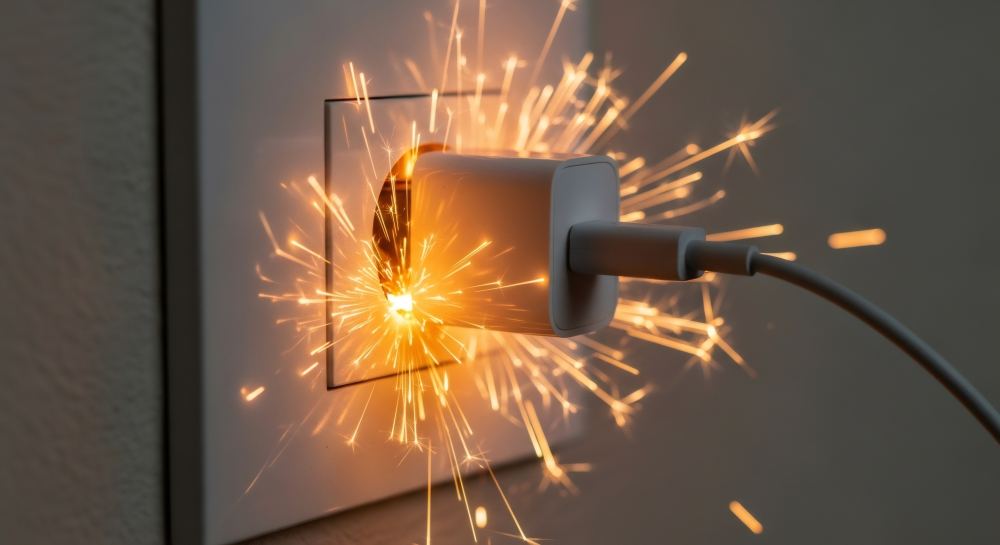
Six Electrical Safety Tips for Smarter Home Improvement
For many REC members, warmer weather means it’s time to start checking off home improvement projects. That can mean painting, repairs, landscaping, deck work or outdoor upgrades. It can also mean electrical risk, even when the job doesn’t seem like electrical work at all. A ladder near a power line, a shovel hitting a buried utility, a damp extension cord or an overloaded older circuit can all turn an ordinary project into a dangerous one.
The good news is that most of those risks can be reduced through a few simple safety steps.
Watch overhead lines
Some of the most dangerous home improvement projects happen outside. Cleaning gutters, repairing a roof, painting trim or trimming trees can all become deadly if a ladder, long-handled tool or branch gets too close to a power line. Before starting, look up and around. Know where the lines are, keep yourself and your equipment at least 10 feet away and leave any work near power lines to qualified professionals.
Call before you dig
A lot of spring projects start with a shovel. Fences, decks, gardens, mailboxes and drainage work can all put you at risk of hitting an underground utility line. In Virginia, homeowners should contact Virginia 811 at least three working days before beginning any digging project. It’s free, and it can help prevent injuries, outages and expensive damage. Visit va811.com (link below) to submit a request.
Shut off and test power first
Replacing a light fixture, switch or outlet may look simple, but it’s still electrical work. Turn off the breaker at the main service panel, unplug any lamp or appliance you’re working on and test the wires with appropriate equipment before touching them. If you aren’t sure the power is off, or the project feels beyond your skill level, stop and call a licensed electrician. You can hire a skilled electrical professional through REC’s Vividly Brighter Electrician Services (link below).
Keep tools dry and use GFCIs
Electricity and water are a dangerous mix. If it’s raining, the ground is wet or you’re standing in damp conditions, wait until things dry out before using electric tools. Safe Electricity, an Energy Education Council safety information program, also says outdoor outlets should have GFCI protection, and portable GFCIs can be used if they don’t. You can usually identify a GFCI by the “test” and “reset” buttons on the outlet.
Check cords and tools before use
Damaged extension cords and worn power tools are easy to ignore, but they can cause shocks, burns and fires. Check cords, plugs and tools before you start. Replace anything worn or damaged. When working outside, use only cords marked for outdoor use, and remember that extension cords are meant for temporary use, not as a permanent fix.
Make sure the house can handle the project
Not every electrical hazard comes from a cord or a tool. Sometimes the problem is the house itself. Safe Electricity warns that an older home may be inadequately wired for today’s electrical demands, especially if a project adds appliances, outlets or new living space. If a remodel will increase the load on your home’s electrical system, that’s the time to bring in a professional rather than assuming the existing wiring can handle it.
Most home improvement injuries don’t start with anything dramatic. They start with ordinary projects and rushed decisions. Looking up, calling 811, shutting off power, keeping tools dry, checking equipment and making sure your home’s wiring is up to the job can go a long way in keeping you safe this spring.
Helpful links
Before you dig: Virginia 811 Homeowners
Need a pro: REC Vividly Brighter Electrician Services
More home safety tips: REC Electrical Safety
DIY project safety guidance: Safe Electricity Home Improvement Safety Tips