It’s odorless and colorless - and can go undetected through your home.
Carbon monoxide poisoning is stealthy. It’s known as the “invisible killer,” and the Center for Disease Control (CDC) reports that over 400 people in the United States die each year from carbon monoxide poisoning.
“Carbon monoxide is produced by burning fuel in vehicles, stoves or grills, fireplaces, gas ranges and generators,” explained John Medved, REC's Director of Safety, Compliance & Security Services. “When it builds up in enclosed spaces, like your home, the people and animals breathing it in become poisoned.”
Following a major storm, people experiencing a power outage often use generators to power their home. Remember: Never use a generator inside your home, basement, garage or near a window.
To make sure appliances that produce carbon monoxide are operating properly, have them serviced annually by a qualified technician. These include your heating system, water heater, and any other gas, oil or coal burning appliances.
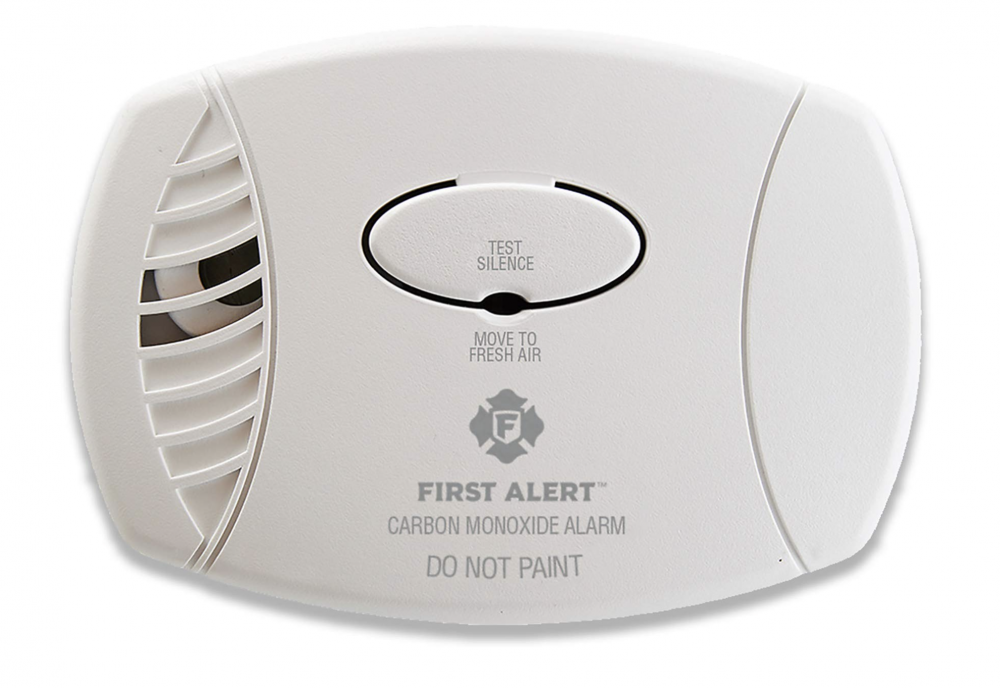
“Installing a battery-operated CO detector in your home is an easy, cost-effective way to protect your family,” added Medved. “Check or replace the battery when you change the time on your clocks each spring and fall.”
To avoid generator-caused carbon monoxide poisoning, check out REC’s generator safety tips: https://myrec.coop/generatorsafety
The U.S. Fire Administration has provided a list of symptoms related to carbon monoxide so you can act fast in case of an emergency: https://www.usfa.fema.gov/prevention/outreach/carbon_monoxide.html