What is a Small Agriculture Generator?
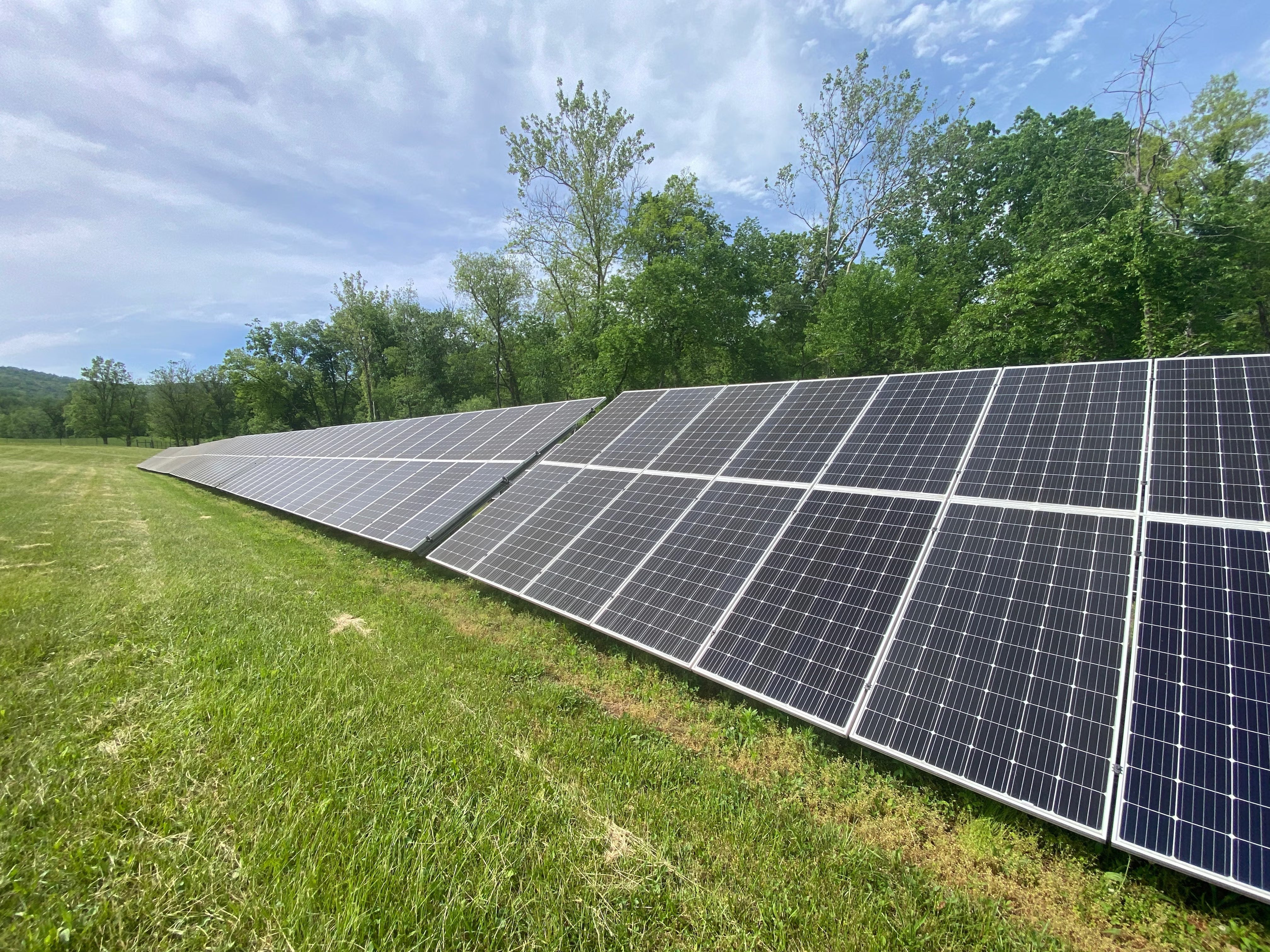
A Small Agriculture Generator (SAG) is a renewable energy generator located on a member's property that qualifies under Virginia Code provision § 56-594.2.
Eligible members interested in renewable generation can apply for interconnection and enter into a power purchase agreement (PPA) with REC to sell all of the electricity generated from the SAG facility.
Review Virginia Code § 56-594.2SAG Generation Does Not Directly Offset Your Facility's Load
All electricity produced by the SAG will go directly onto the electric grid and will not directly offset any load at the agricultural facility or business.
The electricity produced by the solar farm will be sold to REC at an agreed-upon price, and the member will still be responsible for the electric bills associated with their metered accounts.
Who is Eligible?
Small agricultural generators operate pursuant to Virginia Code § 56-594.2.
Breweries
Wineries
Distilleries
Additional Eligibility Requirement
Members must attest under oath as to the amount of land being used for renewable generation. The certification will be retained by the Cooperative.
More specific eligibility information is available in the SAG tariff.
View the SAG TariffSmall Agriculture Generator Characteristics
SAG facilities must meet specific sizing, fuel, metering and operating requirements.
Capacity Limit
The generating facility can have a capacity of no more than 1.5 MW and cannot exceed 150 percent of the customer's expected annual energy consumption.
Renewable Energy
The facility must use renewable energy as its total source of fuel.
Separate Meter
The generator must be located on the member's property and connected to the utility through a separate meter.
Parallel Operation
The facility must be operated in parallel with the utility's distribution system.
At a winery, there might be a meter on a related home, one on the tasting room, and one on the production building. A member can combine the entire usage of those facilities and design a solar project to offset that combined usage up to 150%.
Small Agriculture Generator Resources
Review terms, responsibilities, application information, pricing and frequently asked questions.
Special Terms and Conditions
Special Terms and Provisions
- Sizing of the system shall be up to 150% of the member's expected annual energy consumption based on the previous 12 months of billing history.
- Members may use no more than 25% of their contiguous land for purposes of the small agricultural generator.
- Members have a one-time option to sell all renewable energy certificates (RECs) generated by the SAG to the Cooperative.
- Costs of metering are paid by the member.
- A minimum one-year contract is required.
REC's Role
REC will provide information about the process, capacity limits, sizing rules and regulations.
REC will review and approve applications, including interconnection applications, and install interconnection metering equipment as needed.
Pricing
Monthly Rate
Electricity produced by the SAG will be purchased at the same rate that the Cooperative would otherwise purchase the electricity from the wholesale provider. This is considered the avoided wholesale cost of energy.
REC shall make payment to the member within 30 days after the meter is read, pursuant to the terms of the power purchase agreement (PPA).
View Monthly Rate DetailsHow to Apply
Applying to have a Small Agriculture Generator for your business or agricultural farm is the same as REC's Small Generator Interconnection Process.
A Level 1 or Level 2 Interconnection is required, depending on the size and characteristics of the project.
View the Interconnection ProcessFrequently Asked Questions
What qualifications are needed?
A Level 1 or Level 2 Interconnection is required for this project. Through REC, the member can set up the process and would incur any applicable fees.
A notarized letter or affidavit is needed to confirm only 25% of a member's land is being used for solar. More information will be provided during the application process.
Review Level 1 and Level 2 InterconnectionWhat are Renewable Energy Certificates (RECs)?
A market-based instrument that represents the property rights to the environmental, social, and other non-power attributes of renewable electricity generation.
RECs are issued when one megawatt-hour (MWh) of electricity is generated and delivered to the electricity grid from a renewable energy resource.
Are there any federal or state credit incentives?
Review State and Federal Credits in VirginiaConnect With REC
For more information about Small Agriculture Generators or the interconnection process, contact the SGI team.