Ready to Explore Solar?
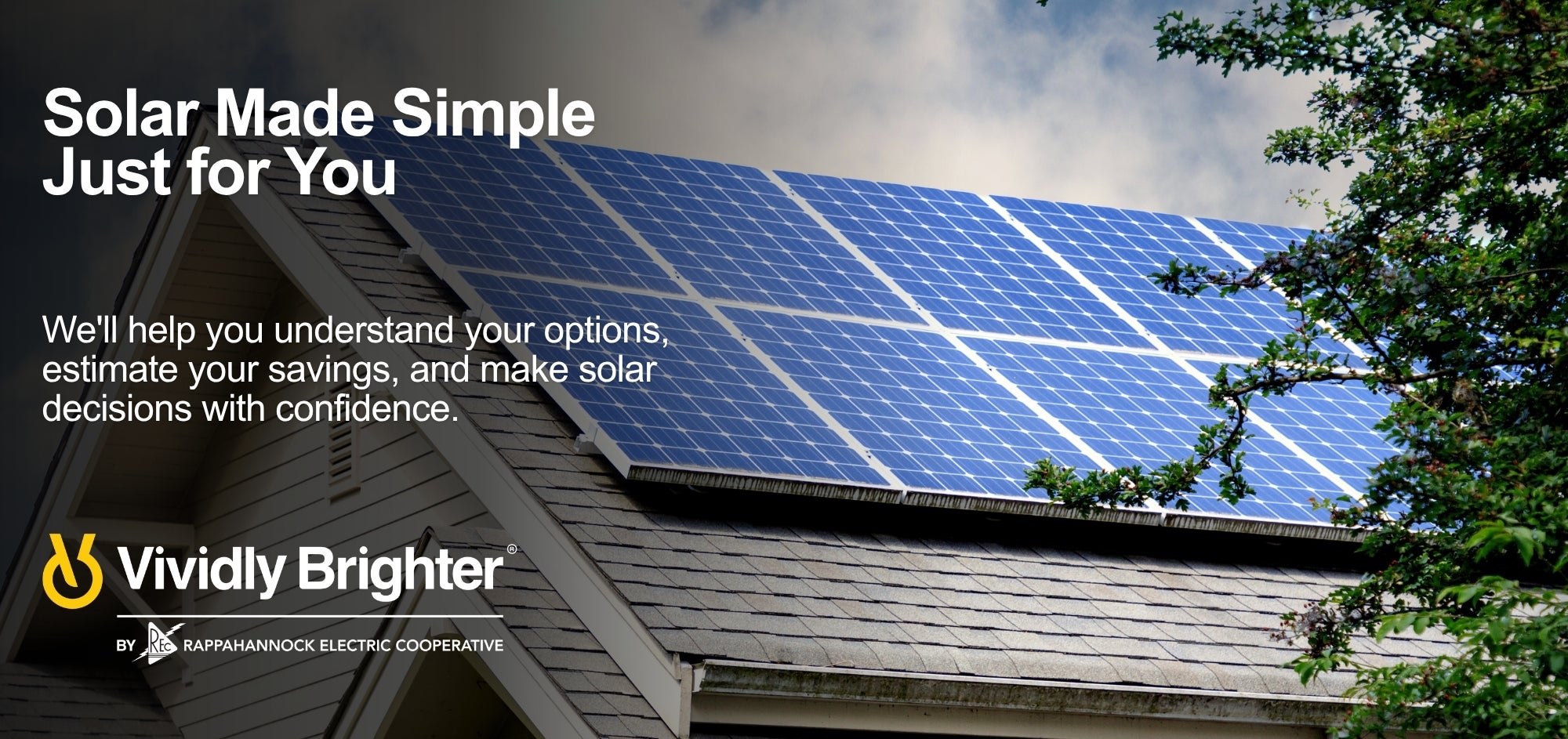
Adding solar panels to your home or business can be a big decision. Our Solar Calculator can help you understand how a solar project might work for you by using information about your location and estimating available sunlight throughout the year.
Try the Solar CalculatorKnow Before You Go Solar
Net Metering
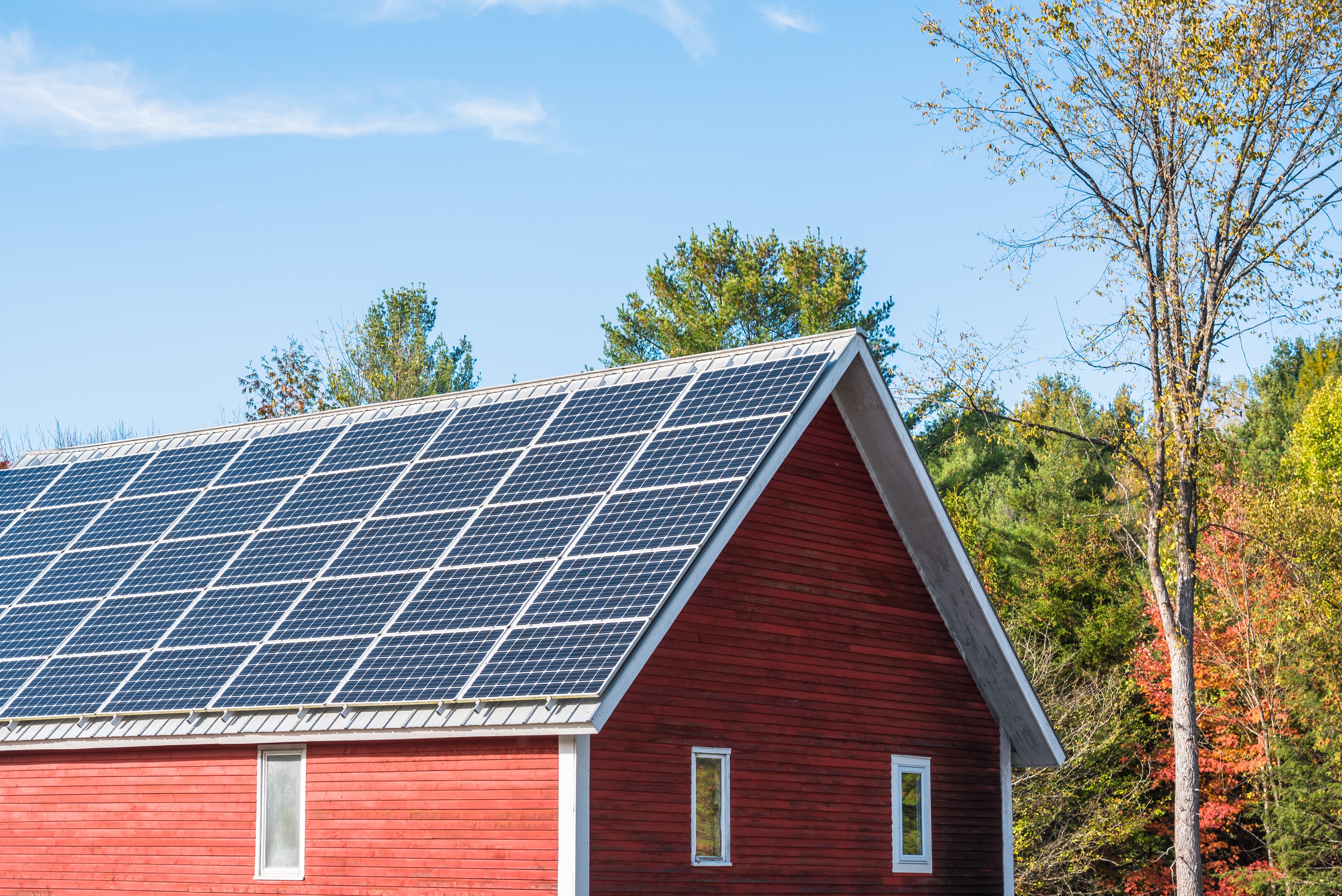
Before choosing to install solar panels, it may be beneficial to learn what you can expect from a solar energy system on your home or business by considering some key factors.
Learn More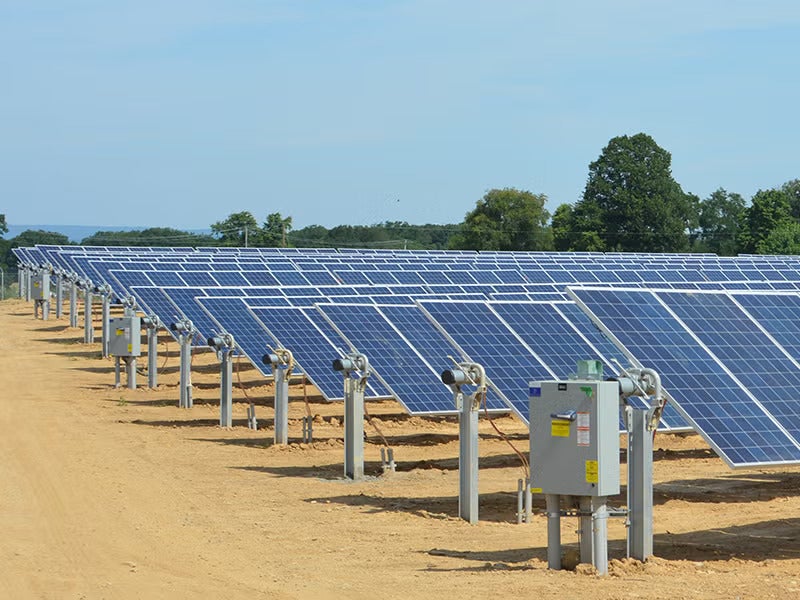
Small Generator Interconnection
Looking to install utility scale generation and sell the output? Here you will find more information on the Small Generator Interconnection process used in Virginia to connect a generator to REC's grid.
Learn More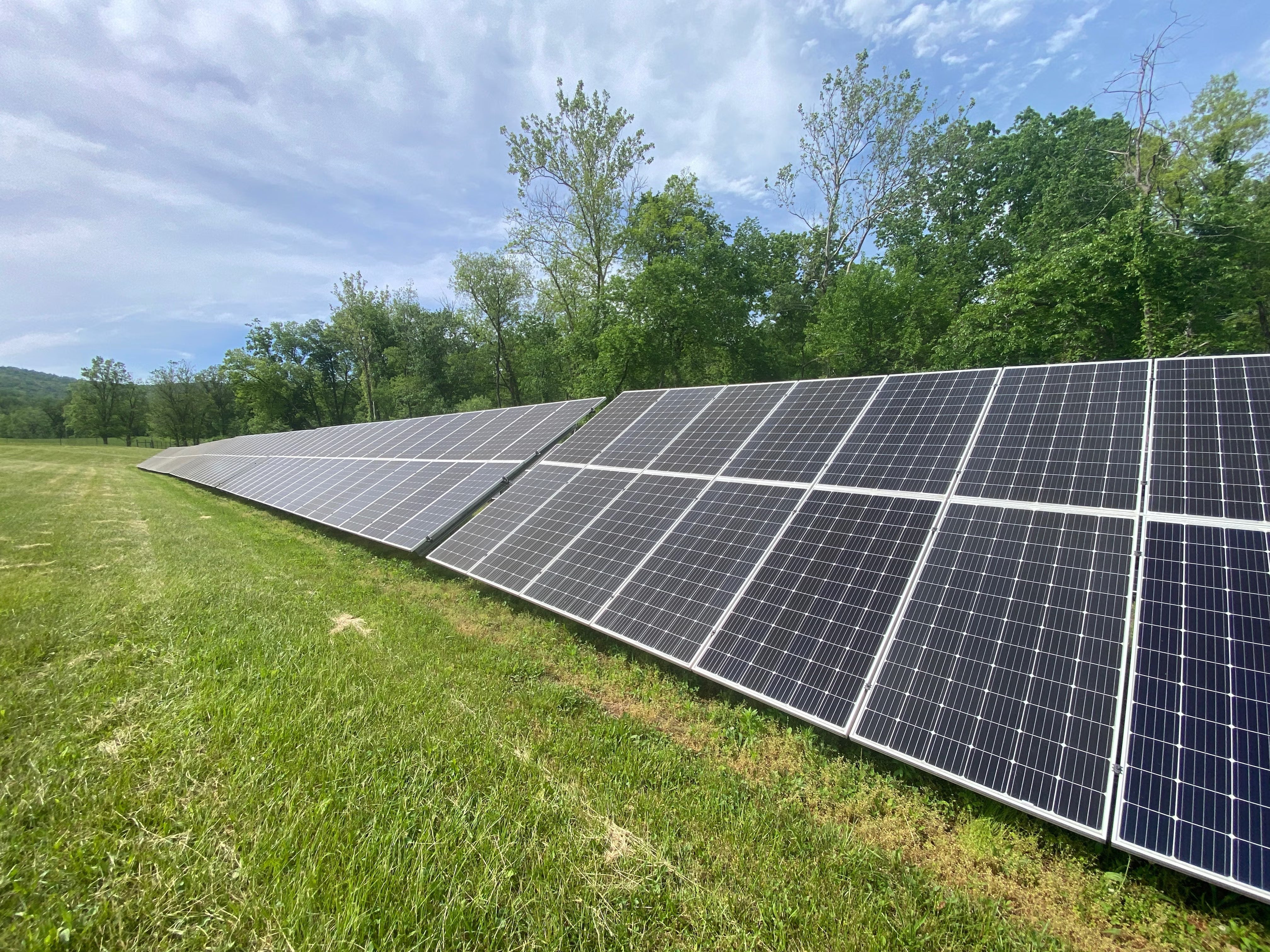
Small Agriculture Generators
Before choosing to install solar panels, it may be beneficial to learn what you can expect from a solar energy system on your agricultural business.
Learn More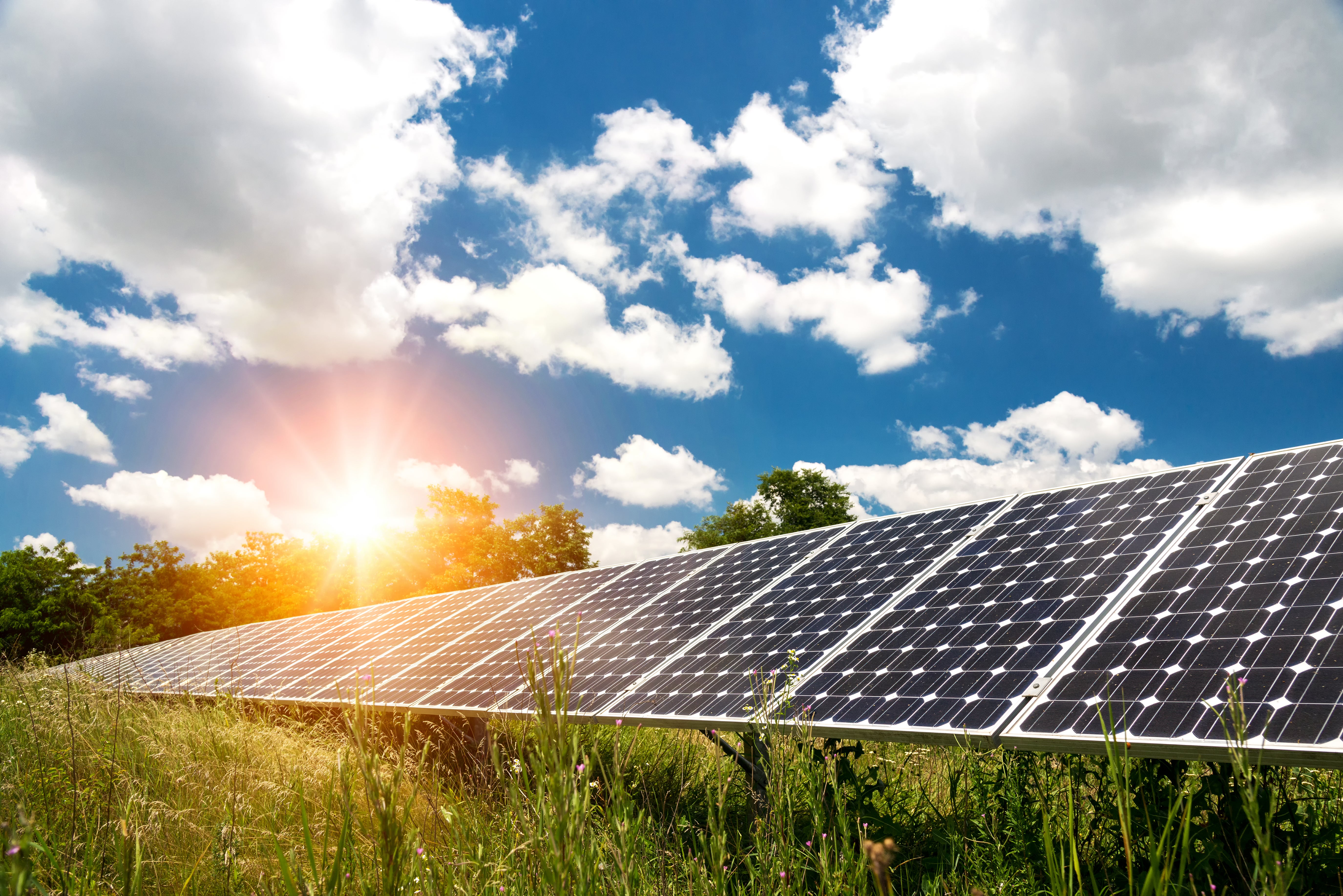
Cooperative Sunshare
Learn more about our community solar program and how you can join hundreds of others in helping bring more solar power to Virginia.
Learn MoreSmall Portable Solar Generation Device
Starting January 1st, 2027, residents of Virginia will have the option to purchase and install a small portable solar generation device at their place of residence. According to the language in HB395 and SB250, safety standards and requirements applicable to these small portable solar generation devices will not be available until the end of 2026.
In order to ensure safe, proper, and legal installment, REC recommends that members do not purchase one of these devices until all standards and requirements are released by the Virginia Secretary of Commerce and Trade. Once such a device is purchased and prior to installment, Virginia residents will be directed to submit a form created by the Virginia State Corporate Commission notifying their electric service provider of said installment.
Electric service providers will then review the form for accuracy and completeness and respond within 15 days to resolve any deficiencies, if present.
Additional information can be found at these links for HB395 and SB250 . REC will provide updates as new information becomes available.
Solar 101
See how sunlight becomes usable electricity for your home. Select a step to learn more about how energy moves through a residential solar system.
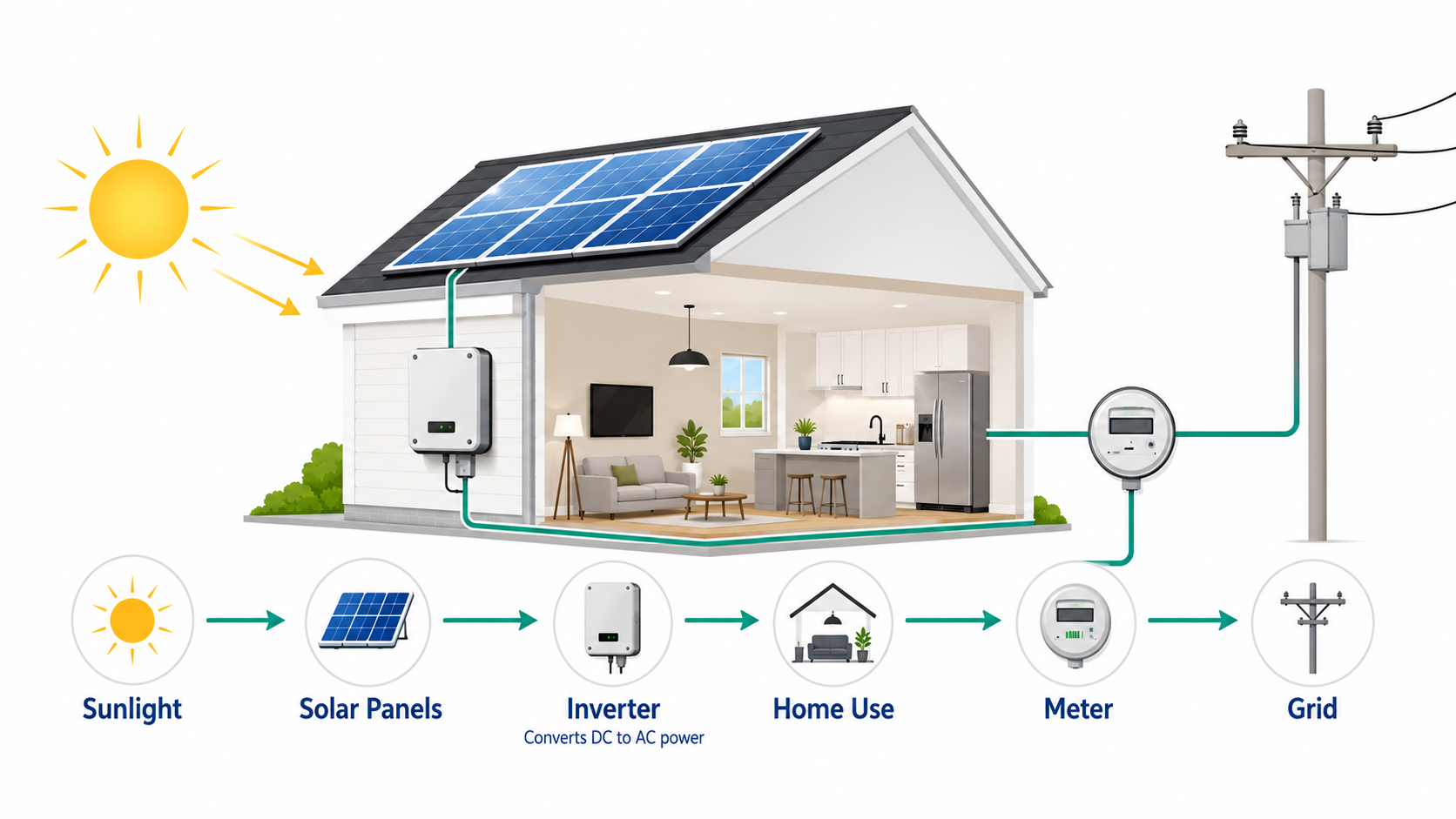
Sunlight Starts the Process
Solar panels capture energy from sunlight and use it to generate direct current, or DC, electricity.
Solar Panels Generate Electricity
Photovoltaic cells within the solar panels convert sunlight into DC electricity that can be sent to the home's inverter.
The Inverter Converts the Power
The inverter converts DC electricity from the solar panels into alternating current, or AC, electricity that can be used by your home.
Your Home Uses the Solar Energy
Once converted to AC electricity, solar energy can help supply the electrical needs of your home while the system is producing power.
The Meter Tracks Energy Flow
Your electric meter measures electricity moving between your home and REC's electric system.
Excess Energy Can Flow to the Grid
When an eligible solar system produces more electricity than the home is using, excess generation can flow back onto the electric grid.
Benefits of Solar

Energy Independence
Depending on the size of the solar array that you choose, the electricity generated from your solar panels can satisfy a decent portion of your electricity needs for 20 to 25 years. Solar panels often produce the most electricity during the summer months when the sun is shining for long hours and at its greatest intensity. Energy generated by solar arrays can reduce REC's electricity demand during peak hours when energy prices are high.

Possibly Boost Your Property's Value
A recent study done by Zillow indicated that homes with solar panels often sold for 4% more than comparable homes without solar. In some counties and cities in Virginia, solar is exempt or partially exempt from property taxes. Commercial entities that participate in solar are fully exempt from state and local property taxes under the Commercial Solar Property Tax Exemption.

Save Money
As your solar panels continue to generate energy to supply your electricity needs, you can expect to see a reduction in your electricity bill from REC throughout the life of your panels. Depending on the finance option you choose and your eligibility, the costs of a solar energy system can be offset by federal and state incentives.

Support Clean Energy
Choosing to go solar reduces your impact on the environment by decreasing your consumption of electricity generated by fossil fuel sources such as coal, oil and natural gas. Investing in clean energy helps to make the electric grid more reliable and resilient, while also supporting the transition to a low-carbon future.