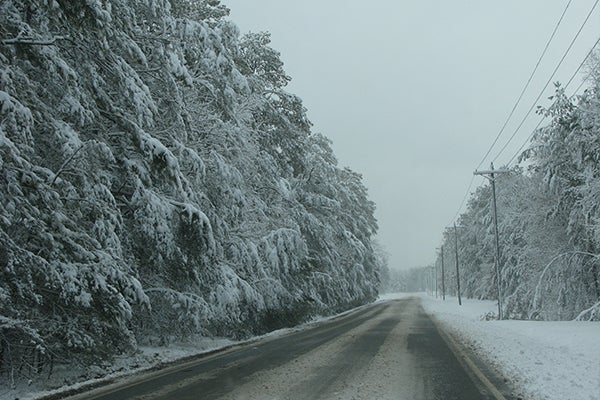
Things we like in winter: snow, sledding, building a snowman, drinking hot chocolate and snuggling up to a warm fire. Things we don’t like: blizzards, ice, sleet and sub-freezing temperatures when they lead to power outages. We’re in the depths of the winter, when what we love about the season can also be what we hate. Are you prepared for an outage — especially one that could last for days?
Storm Prep List
- Have flashlights and fresh batteries in your storm prep kit.
- Have a good supply of bottled water. Typically for an outage, you need one gallon per person per day for drinking. Also, for homes with well water, you won’t have a supply of water because your well won’t have power. Fill your bathtub and use the water for cleaning, to flush the toilets, etc.
- Have nonperishable foods that you don’t have to heat up. Have a hand-operated can opener for canned goods.
- Have extra blankets or bedding.
- Have a first-aid kit with extra medications you may need.
- Have a variety of hand tools — no corded power tools.
- Have cash. You will not likely be able to use a credit or debit card during a power outage.
Tips for Children, Elderly Relatives
If you have elderly relatives, make sure you have items they need. If you have young children or babies at home, have extra formula, diapers or any supplies you’ll need.
Before a storm, charge devices, such as mobile phones, so they have a full charge. If you have a landline phone, remember that cordless phones still require electricity, so add a traditional corded phone to your prep kit.
For a storm prep checklist you can print, and more information on prepping for an outage, visit myrec.coop/stormprep.